Today’s Kitchen Trends Worth Bringing Into Your Home
Kitchen trends come and go every year, but some have more staying power than others.
Today, kitchens are becoming warmer, more personal and more closely tied to everyday life. Materials feel more natural, colour palettes are softer, and design decisions increasingly reflect how the space is actually used.
If you’re planning a renovation, the goal is to draw inspiration from current trends while making choices that will still feel right a few years from now.
Here are some of the current trends shaping kitchen design and how to approach them thoughtfully.
What are the biggest kitchen trends?
This year, we’re seeing more authentic materials, warmer colours and spaces designed around comfort and daily routines.
Durability, personalization and a sense of warmth are playing a bigger role in kitchen design, especially in projects meant to age well over time.
Warmer, more natural colours
After years of bright whites and strong contrasts, softer colours are taking up more space in kitchen design.
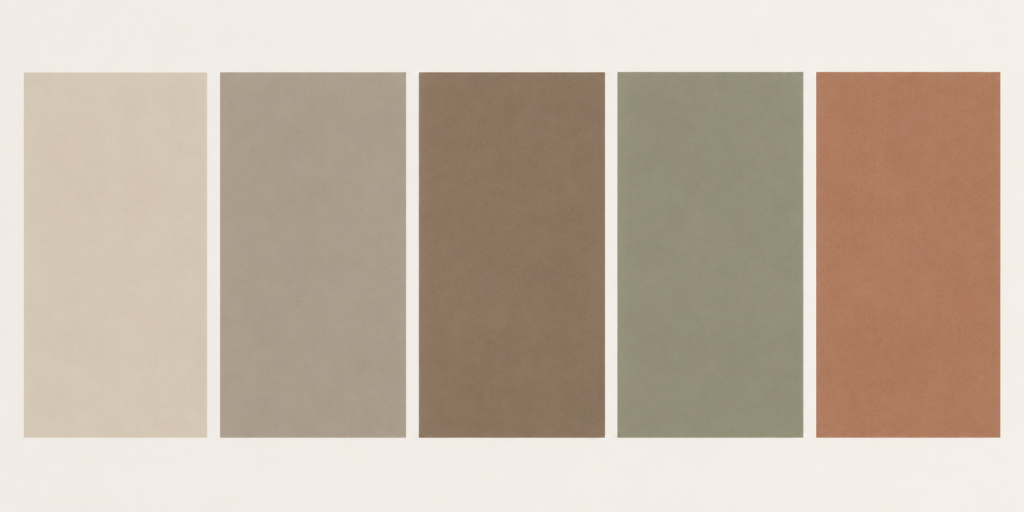
Nature-inspired tones are particularly prominent:
- Sand beige
- Greige
- Mocha brown
- Sage green
- Soft terracotta
These shades create a warm, welcoming atmosphere and are versatile enough to work with a wide range of materials and styles.
Is this trend worth it?
Yes. Natural shades tend to age gracefully and provide a flexible foundation for the rest of the design. They also make it easier to update smaller elements over time without rethinking the entire kitchen.
Authentic materials are taking centre stage
Texture is becoming just as important as colour.
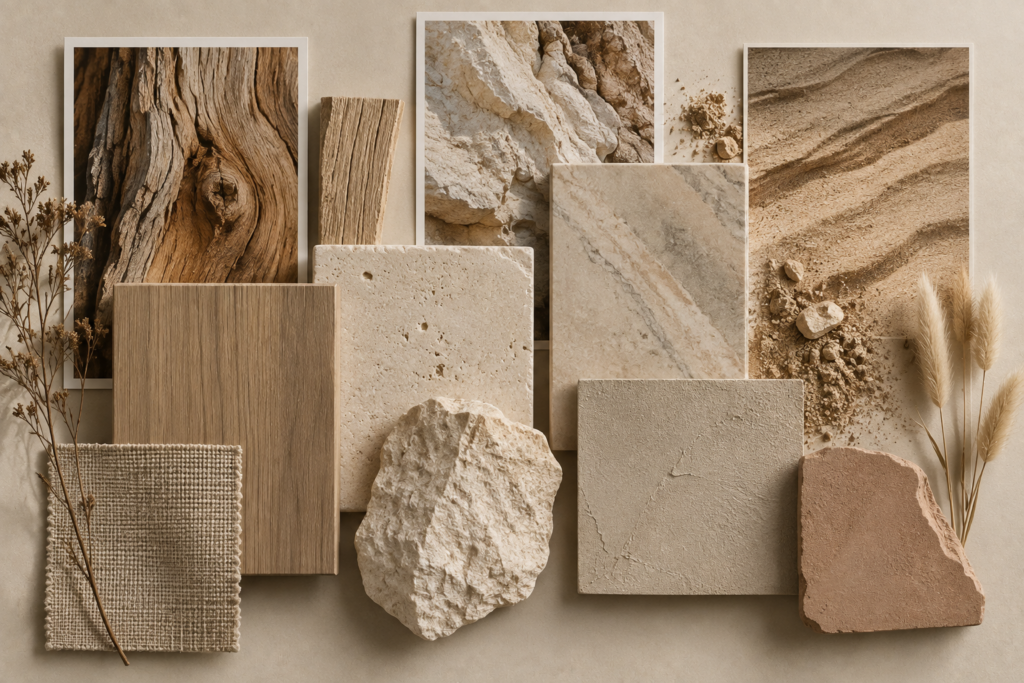
Wood finishes, natural stone-inspired materials, textured surfaces and organic finishes are bringing more depth and character into kitchens. The overall look is becoming richer and more layered, with subtle variations replacing the perfectly uniform surfaces that dominated previous years.
Wood continues to play an important role, whether it appears on cabinetry, shelving, or smaller architectural details. It adds warmth and texture while fitting easily into both contemporary and more classic interiors.
Natural materials also bring visual variation from one surface to another, which helps create a kitchen with more personality and a less manufactured feel.
Is this trend worth it?
Absolutely. Materials with natural texture and variation tend to develop character over time and work particularly well in kitchens designed for long-term use.
Kitchens are blending more naturally into the home
Clean lines remain popular, but the way they’re being used is evolving.
Concealed appliances, integrated storage, and continuous cabinetry panels are helping kitchens feel more connected to surrounding living spaces. This is especially relevant in open-concept homes, where the kitchen is visible from several parts of the main floor.
Integrated appliances and quieter finishes also help reduce visual interruptions. The result feels calmer and more cohesive, particularly when the kitchen shares sightlines with the dining or living area.
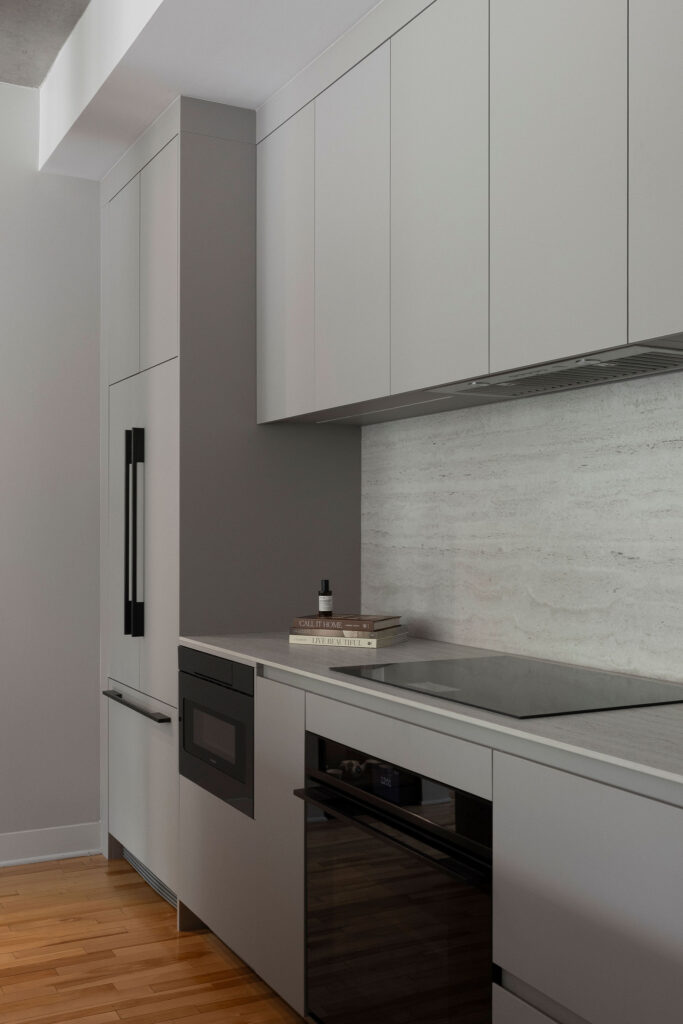
Old Montreal condo renovation with built-in appliances for a more cohesive look.
Is this trend worth it?
Yes, especially in open spaces. A more integrated kitchen can create better visual continuity throughout the home and help the room feel less cluttered over time.
Dekton continues to gain ground
Why is Dekton becoming more popular?
Dekton is appearing more frequently in contemporary kitchen projects thanks to its durability, versatility and resistance to heat.
The design options have also expanded considerably. New colours and finishes make it possible to use Dekton in very different styles, from sleek contemporary kitchens to warmer interiors with natural textures and wood finishes.
What about quartz?
Quartz remains a strong option as well. It’s durable, easy to maintain, and available in a wide range of colours and finishes.
The choice between Dekton, quartz and other surfaces depends on the kitchen itself: how the space will be used, what level of maintenance feels realistic, and the overall look you want to achieve. A designer can help evaluate those factors early in the process and narrow down the most appropriate options.
Small details can make a big difference
A kitchen can evolve without undergoing a complete renovation.
Handles, hardware, faucets, and lighting fixtures are among the easiest elements to update over time. They’re also good places to introduce a more current look, since they can usually be replaced without major work.
That makes them useful for experimenting with a stronger finish, a different metal tone, or a more distinctive shape while keeping the larger elements of the kitchen relatively timeless.
Timelessness remains the best trend
Some design decisions continue to work year after year:
- Quality materials
- Thoughtful lighting
- Functional storage
- A balanced colour palette
- A layout adapted to the household’s routines
These elements create a strong base and give you more freedom to introduce current colours, finishes and accessories elsewhere.
Lighting deserves particular attention. A well-designed lighting plan improves comfort, visibility and atmosphere throughout the day. Most successful kitchens combine general lighting, task lighting and softer ambient lighting to create a space that works in different situations.
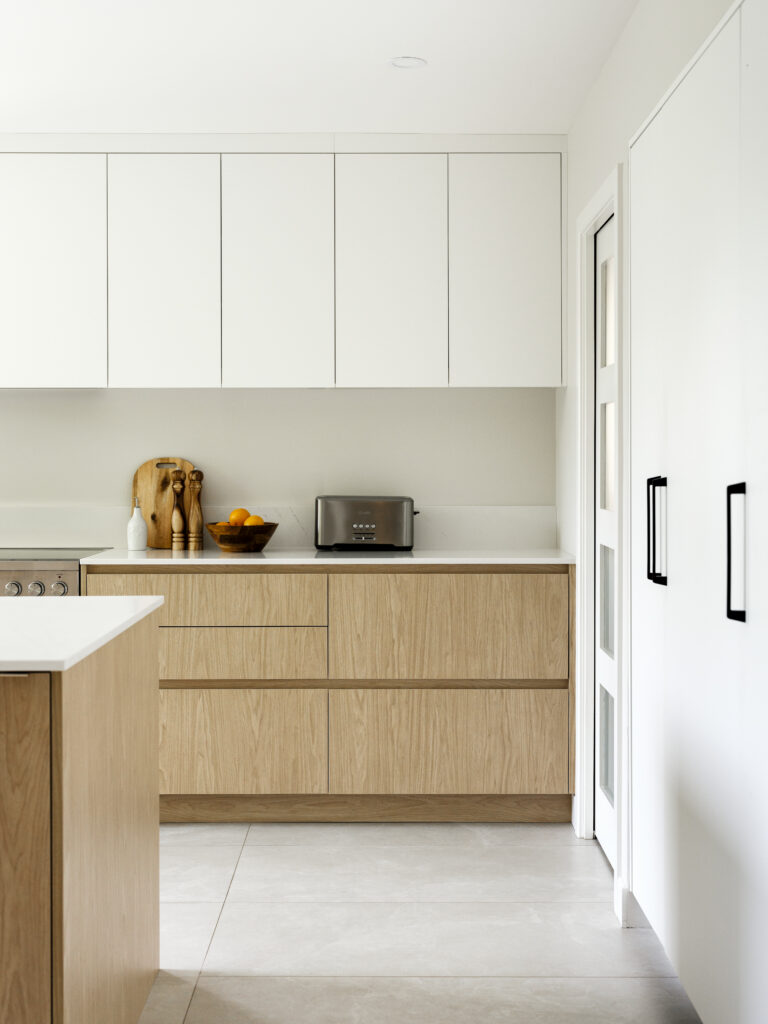
Kitchen renovation in Côte-des-Neiges to blend natural warmth with contemporary minimalism.
What’s the biggest mistake when following kitchen trends?
Applying an idea without considering the space around it.
A colour that looks striking in a showroom can behave very differently in a kitchen with less natural light. The same applies to materials, layouts and highly distinctive finishes.
Every kitchen has its own proportions, architecture, lighting conditions and patterns of use. Those factors should influence how a trend is adapted.
It’s also worth thinking about how difficult a choice will be to change later. Bold colours, highly specific materials and very distinctive finishes can be harder to update once tastes evolve.
Elements such as lighting, hardware and decorative accents usually offer more flexibility. They give you room to bring in a current look without locking the entire kitchen into one moment in time.
Should you follow kitchen trends?
Yes, with a clear sense of how they fit your space.
Trends are useful for discovering new material combinations, colours and ways of organizing a kitchen. They can also help you see possibilities you may not have considered at the beginning of a project.
The strongest approach is to select the ideas that suit your home, your routines and the atmosphere you want to create.
A kitchen designed around those priorities has a much better chance of feeling right today and several years from now.
Kitchen Trends FAQ
What kitchen colours are trending?
Natural shades such as beige, greige, mocha brown and sage green are among the most popular choices this year.
Are white kitchens still in style?
Yes. White remains a classic and is increasingly paired with wood, natural textures and warmer accents to create a softer, more layered look.
What materials are popular?
Natural stone-inspired surfaces, quartz, textured finishes and authentic wood species continue to be widely used.
How can you keep a kitchen from looking dated too quickly?
Start with durable materials, a balanced palette and a functional layout. Current trends can then be introduced through details that are easier to update over time.
Are integrated appliances still popular?
Yes. Their discreet appearance works particularly well in open-concept spaces and kitchens designed around visual continuity.
Should a renovation follow current kitchen trends?
Trends can provide valuable inspiration, especially when they align with the home and the way the kitchen will be used.
At Groupe 3R, we design kitchens around each client’s space, habits and preferences, with an emphasis on style, functionality and durability over time.